

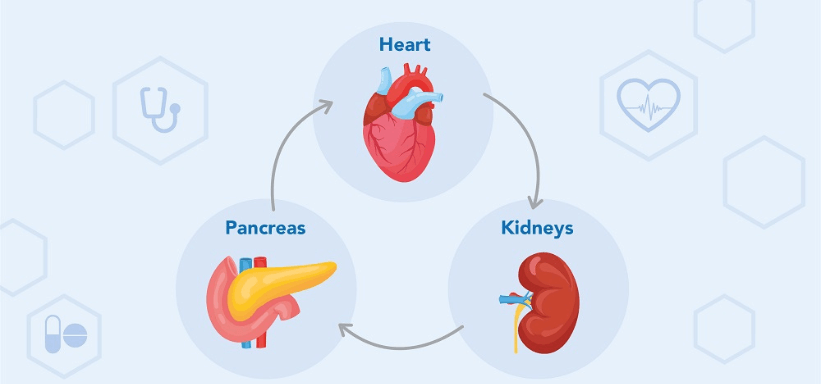
Early detection plays a critical role in the management and prevention of heart and kidney diseases, which are among the leading causes of morbidity and mortality worldwide. Identifying these conditions at an early stage allows for timely interventions that can slow disease progression, reduce complications, and improve overall patient outcomes.
In the case of heart disease, early detection enables healthcare providers to implement lifestyle modifications and medical treatments that can prevent the development of more severe cardiovascular events. For instance, a recent study highlighted that a simple daily habit—choosing to climb stairs instead of taking the lift—can significantly reduce the risk of dying from cardiovascular disease by 39% . Additionally, advancements in diagnostic tools, such as a new “three-pronged” blood test measuring LDL cholesterol, lipoprotein(a), and high-sensitivity C-reactive protein (CRP), have shown promise in predicting the risk of heart attack and stroke up to 30 years in advance .The SunNew York Post+1Health+1
“Early detection of heart and kidney disease is not just a diagnosis—it’s a second chance at life.”
Similarly, early detection of chronic kidney disease (CKD) is vital, as the condition often progresses silently until advanced stages. Routine screening methods, including estimated glomerular filtration rate (eGFR) and urine albumin-to-creatinine ratio (ACR), can identify kidney dysfunction before symptoms arise . Early intervention not only helps in managing the underlying causes, such as diabetes and hypertension, but also in preventing complications like cardiovascular disease, anemia, and bone disorders .PubMed+2PubMed+2PMC+2Durham Nephrology Associates, PA+1PubMed+1The Kidney Solution | Kidney Aid
The economic benefits of early detection are also noteworthy. By identifying and treating heart and kidney diseases early, healthcare systems can reduce the need for expensive treatments like dialysis, kidney transplantation, or complex cardiac surgeries, thereby alleviating financial burdens on both patients and providers .The Kidney Solution | Kidney Aid
Public awareness and education play a crucial role in promoting early detection. Many individuals remain unaware of the risk factors and early signs of heart and kidney diseases. Educational initiatives can empower people to seek regular check-ups and adopt healthier lifestyles, ultimately contributing to better health outcomes .
In conclusion, early detection of heart and kidney diseases is essential for effective management, improved patient outcomes, and reduced healthcare costs. Through regular screenings, public education, and timely interventions, it is possible to mitigate the impact of these chronic conditions and enhance the quality of life for affected individuals.

1 Comment
admin
May 15, 2025, at 6:33 amnnn