

- Your cart is empty Browse Shop
Regarded as a leading hospital in Queens, New York, we offer a wide variety of patient-centered, expert care to our community.
Call Us when you Need Help!
24/7 Support: +1 800-123-1234
Cabin

About Cabin
A hospital cabin (often referred to as a patient room or private room) is a designated space within a hospital where patients receive medical care and rest during their treatment and recovery. These rooms are equipped with essential medical facilities, such as beds, monitoring equipment, oxygen supply, and sometimes even bathrooms, to provide a comfortable and safe environment for patients. Hospital cabins vary in size and amenities, with private rooms typically offering more privacy and comfort compared to shared spaces.
Purpose & Importance of a Hospital Cabin
Hospital cabins serve several critical purposes in a healthcare setting, supporting both the physical and emotional well-being of patients during their stay. Hospital cabins are important because they provide privacy, comfort, continuous care, infection control, and a healing environment
Purpose of a Hospital Cabin:
- Providing Comfort and Privacy
- Hospital cabins offer a private space for patients to rest and recover, allowing them to have a personal environment where they can receive visitors, family members, and have more control over their surroundings.
- In private cabins, patients can avoid the distractions and lack of privacy associated with shared rooms, improving their overall experience and emotional state during recovery.
- Facilitating Medical Care and Monitoring
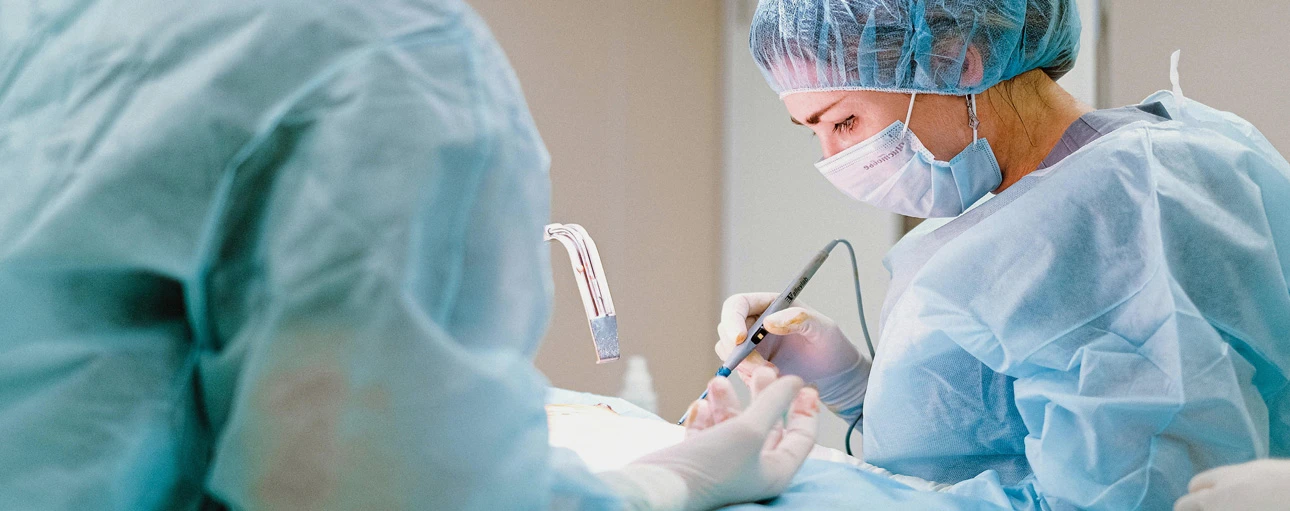
- A cabin is equipped with all the necessary tools for monitoring the patient’s health. It typically includes an adjustable hospital bed, vital sign monitors, infusion pumps, and sometimes a specialized area for surgery recovery or intensive care.
- Medical staff can monitor and assess the patient’s vital signs and administer treatments with ease while maintaining comfort and accessibility.
- Promoting Infection Control and Recovery
- In hospitals, cabins play a significant role in controlling the spread of infections. With a private setting, patients are less exposed to the risk of hospital-acquired infections that can occur in shared spaces.
- Additionally, patients are able to recover in a calm, quieter environment, which can promote better sleep and mental health, critical for healing.
Importance of a Hospital Cabin
- Privacy and Comfort: One of the key aspects of a hospital cabin is the privacy it offers. Having a private room allows patients to have their own personal space during treatment and recovery.
- Enhanced Medical Monitoring and Care: Hospital cabins are equipped with essential medical equipment, such as heart monitors, IV lines, oxygen support, and more, allowing healthcare providers to offer constant monitoring and immediate medical interventions when necessary. This direct access to medical resources ensures patients receive prompt attention and that their health is closely monitored throughout their recovery. In critical cases, pri
- Infection Control and Safety: In a hospital, controlling the spread of infections is a top priority. Private cabins help mitigate the risk of hospital-acquired infections (HAIs) because patients are not in close proximity to others who may carry contagious pathogens.
- Personalized Care and Healing Environment: A hospital cabin provides a more personalized care experience. Patients can have their preferences for lighting, temperature, and food while still receiving all necessary medical treatments. Moreover, families and visitors can comfortably spend time with the patient, which can have positive emotional effects, helping patients feel supported and less isolated.
- Special Care for Critical or Long-Term Illnesses: For patients who require long-term care or are recovering from serious surgeries, hospital cabins provide a designated space that can be tailored to their specific needs. Chronic illness management, rehabilitation, or care after major surgeries (e.g., heart surgery or cancer treatment) can be better facilitated in a private room with dedicated resources, making the recovery process more manageable and efficient.