



- Your cart is empty Browse Shop
Endoscopy

About Endoscopy
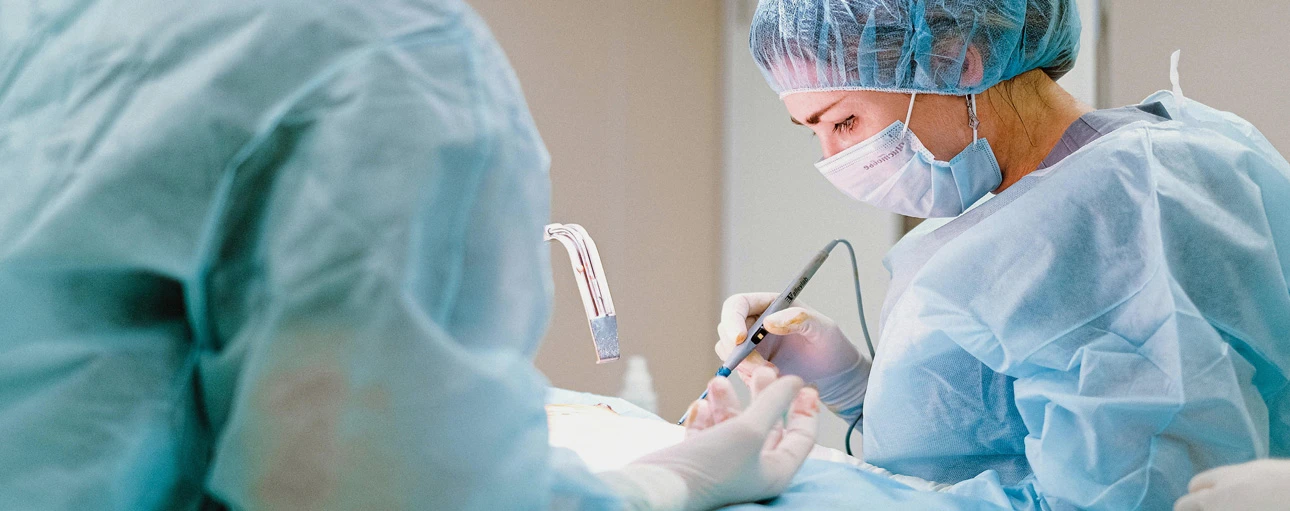
Endoscopy is a medical procedure that uses a flexible tube called an endoscope, equipped with a light and camera, to view the inside of a patient’s body.
Purpose & Types of Endoscopy in a Hospital:
Endoscopy is a vital tool for diagnosis, biopsy, and treatment in various specialties.
Purpose of Endoscopy in a Hospital:
- Diagnosing Gastrointestinal (GI) Disorders
- Upper endoscopy (EGD): Examines the esophagus, stomach, and upper small intestine
- Colonoscopy: Examines the colon and rectum
- Sigmoidoscopy: Focuses on the lower colon
- Detecting Abnormal Growths or Bleeding
- Identifies ulcers, tumors, polyps, inflammation, or internal bleeding
- Taking Biopsies
- Small tissue samples can be collected during endoscopy for lab testing
- Removing Foreign Bodies or Growths
- Non-surgical removal of swallowed objects or polyps
- Monitoring Chronic Conditions
- Tracks conditions like Crohn’s disease, ulcerative colitis, or Barrett’s esophagus
- Guiding Certain Treatments
- Used to deliver medications, cauterize bleeding vessels, or place feeding tubes
Types of Endoscopy Procedures:
Gastroscopy (upper GI)
Colonoscopy (colon)
Bronchoscopy (lungs)
Cystoscopy (bladder)
Laparoscopy (through small abdominal incisions)
Treatment Results
Lorem ipsum dolor sit amet, consectetur adipiscing elit. Curabitur suscipit dolor vulputate odio gravida, non eleifend quam fringilla. Pellentesque habitant morbi tristique senectus et netus et malesuada fames ac turpis egestas. Pellentesque habitant morbi tristique senectus et netus et malesuada fames ac turpis egestas. Suspendisse lectus nisi, laoreet id venenatis eget.
Nullam mollis egestas lorem sit amet dictum.
Vivamus laoreet vitae velit vel mollis. In et magna libero.
Mauris finibus neque quis purus pellentesque.
Pellentesque tincidunt turpis eu suscipit ultrices.